After three years away from Collegiate R6 Premier, the University of Oklahoma ECCI Rainbow Six Siege team is making its return, but this time with a rebuilt roster and something to show for it.
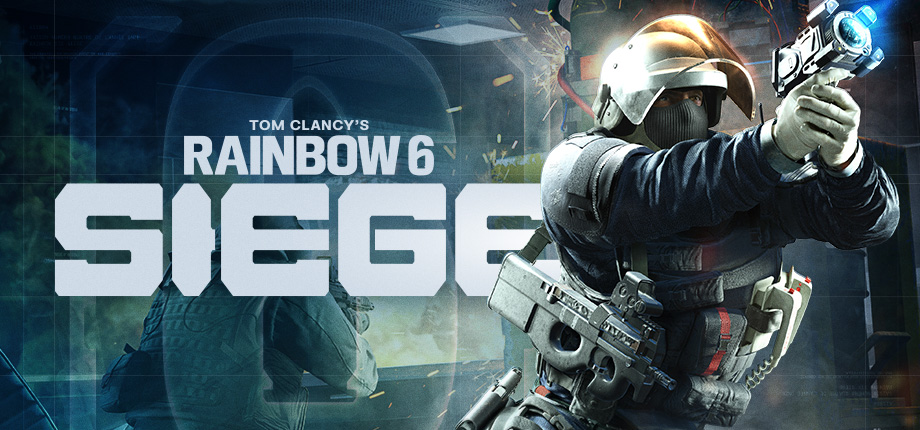
Rainbow Six Siege is not your average shooter game; in fact, there are lots of reasons why it’s one of the hardest first-person shooter games to learn. You need to understand character abilities, gadgets, surveillance systems, destructible environments and multiple floors of a building while trying to predict how opponents might change the map itself. In R6, there is so much information to process that it is impossible to handle alone. OU’s players must communicate enemy locations, potential threats, gadget usage and changes to the environment. With poor team strategy, you are destined to lose.
Looking at the complexity of this game, this year the OU R6 team absolutely dominated and qualified for the highest, most competitive bracket in Collegiate R6 (CR6), Premier. In addition to competing in CR6, OU participates in the National Esports Collegiate Conference (NECC), a separate collegiate esports league in which the team competes in Division II.
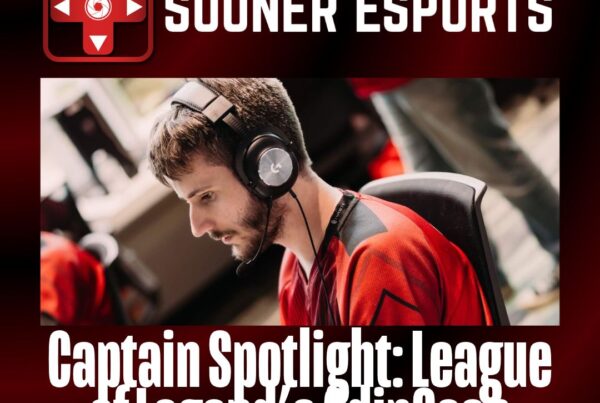
In 2026, the Rainbow Six Siege team qualified for the highest bracket in the league. The qualification process is very difficult, and even our players doubted themselves. Veteran OU Rainbow Six Siege player Dylan Jenkins claims that they had very little margin for error. The coach emphasized that they couldn’t lose another round. And the players didn’t lose another round after that. Afterward, they waited about two hours for official confirmation from the administrators before learning they had made it.
“I’ve never seen that team lock in with more passion, with more focus, with more coordination,” Jenkins said. The last time that OU competed in the CR6 Premier was in 2023 with different players and a different community. To the players, this win feels like a redemption.
Jenkins has been on the team for several years and has been through changes in the roster. Jenkins especially favors this roster as he feels that there has been a stronger build of trust and shared commitment. This is his first time qualifying for Premier as an OU player. He sees the team as having been built “brick by brick,” making the achievement feel like redemption.
When Jenkins was asked about the differences in the previous and current teams, he said, “The biggest difference that we have… is our leadership.” He claims that this team has worked hard and rebuilt the team to what it is now. The team has strong communication, trust and a great bond. Despite the team being perceived as an underdog for a couple of years after losing its original stack, this is their way to prove themselves.

Jenkins praises the current coach for encouraging each other to communicate and work through times of conflict. When disagreements arise, the coach encourages the players to directly talk to each other and work together. Jenkins said that approach has helped the roster build the trust that is needed during matches, especially when the game gets hard.
Jenkins describes his teammates with pride, recognizing each person’s individual strengths, growth and contributions to the roster. He praises Owen’s leadership, Ryan’s impressive talent during tryouts, and Zach’s remarkable improvement as a player. His admiration reflects the close relationships and supportive team culture that have developed throughout the Rainbow Six Siege team’s rebuilding process.
As OU returns to Collegiate R6 Premier, Jenkins said the team wants to make its name known and prove it can compete. After being viewed as an underdog for several seasons, qualifying is a chance for the rebuilt roster to show the lengths that good teamwork and communication can accomplish. This is the opportunity for OU’s Rainbow Six Siege.